The wellness world is shifting. While traditional talk therapy and fitness classes still hold value, more people are turning inward—literally. Practices like sound baths, breathwork, and other somatic healing methods are gaining traction as tools to calm the nervous system, process emotions, and reconnect with the body.
This new wave of healing focuses less on what you think and more on what you feel—not just emotionally, but physically. At its core, somatic healing is about listening to the body’s signals and using movement, sound, and breath to restore balance to the body.
What Is Somatic Healing?
“Somatic” comes from the Greek word soma, meaning “the living body.” Somatic healing is an approach that works with the body to help release stored stress, trauma, or emotional tension. Instead of focusing solely on thoughts or memories, it utilizes sensory awareness—such as breath, movement, touch, or sound—to support the healing process.
The body holds onto stress long after the moment has passed. Somatic practices help you process those lingering effects and return to a calmer, more regulated state. These methods are increasingly used in conjunction with therapy or mindfulness practices to support overall resilience.
Why It’s Gaining Popularity Now
After years of chronic stress, burnout, and collective trauma, many people are realizing that logic alone isn’t enough to feel better. You can’t always think your way out of anxiety or exhaustion. You have to feel your way through it.
Somatic healing offers that path. It’s gentle, non-verbal, and often deeply calming. It can also work well for people who struggle to express emotions or feel disconnected from their bodies after trauma or stress.
As science catches up with ancient wisdom, more studies are showing the impact of these practices on nervous system regulation, emotional balance, and even immune health. This is wellness rooted in the body, not just the mind.
Read More: Sleep Hygiene in the Digital Age: 7 Simple Tweaks That Actually Work
What Is a Sound Bath?
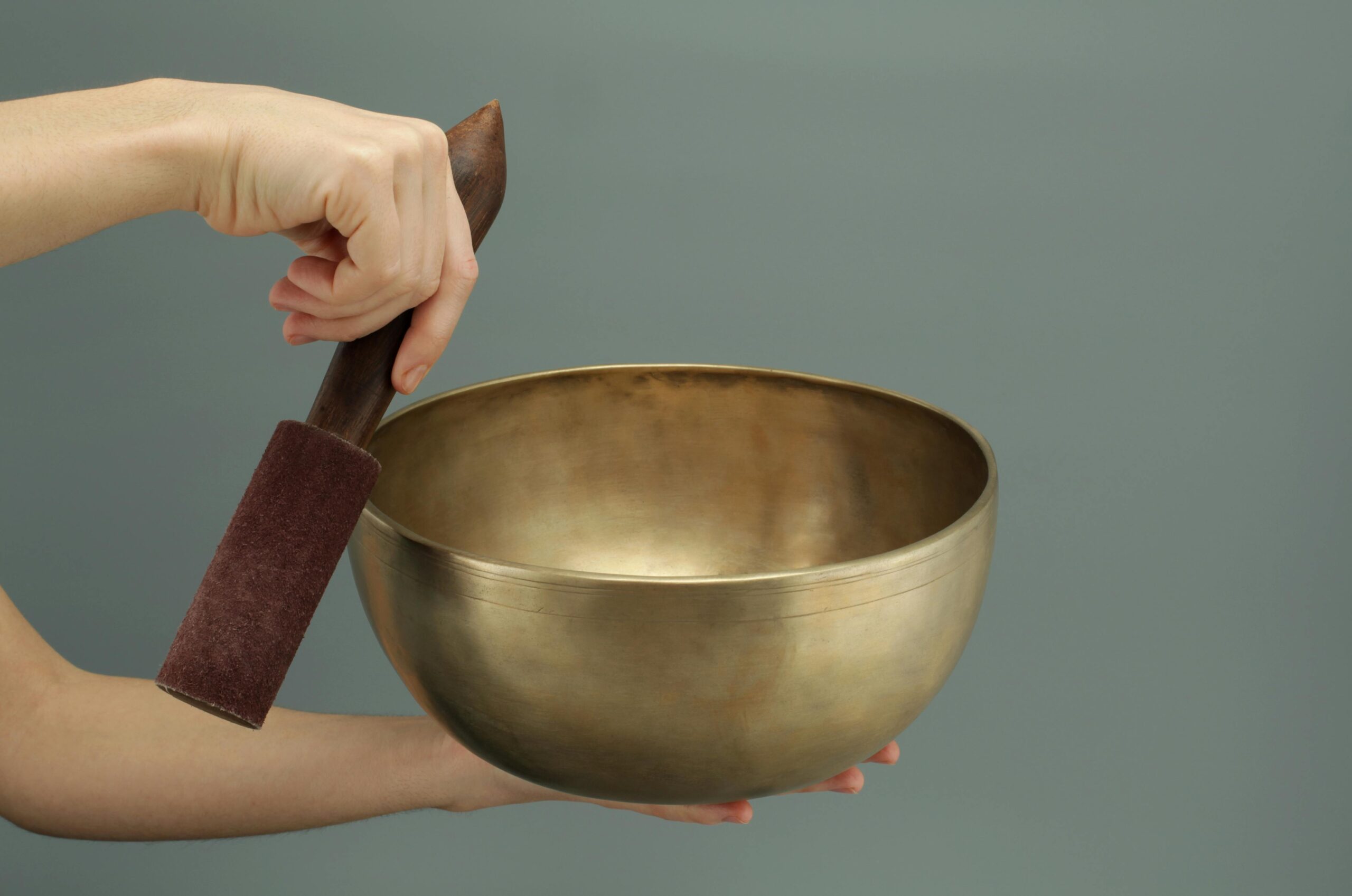
A sound bath is a guided experience where you relax while being “bathed” in sound. Practitioners use instruments like crystal singing bowls, gongs, chimes, and tuning forks to create waves of sound that vibrate through the body.
You don’t do anything but lie down and listen. The idea is that these vibrations can help the body release tension, calm the mind, and enter a state of deep relaxation. Some people describe the experience as meditative. Others say it feels like a reset for the nervous system.
Sound healing isn’t new—it’s rooted in many ancient traditions—but it’s being embraced today as a way to reduce anxiety, improve sleep, and deepen mindfulness.
What Is Breathwork?
Breathwork refers to any structured practice that uses conscious breathing patterns to influence your physical and emotional state. Unlike passive breathing, breathwork techniques ask you to breathe in a specific rhythm, often for several minutes at a time.
Some forms are calming, using slow, deep breathing to activate the parasympathetic nervous system. Others are energizing or even emotional, using faster patterns to release suppressed feelings or shift mental blocks.
Many people report feeling clearer, lighter, or more emotionally open after a breathwork session. It’s a direct way to access the body’s stress response and change how you feel—without needing to explain a thing.
Other Somatic Practices Gaining Ground
Beyond sound baths and breathwork, other somatic approaches are becoming more mainstream:
Somatic experiencing is a therapeutic method that helps release trauma stored in the body. Restorative yoga and yoga nidra use gentle poses and guided relaxation to soothe the nervous system. TRE (Tension and Trauma Releasing Exercises) utilizes gentle movements to encourage the body to release built-up tension naturally. Dance and intuitive movement classes enable individuals to move freely and reconnect with their physical expression.
All of these methods share one goal: helping you reconnect with your body and feel safe within it.
What Makes Somatic Healing Different
Unlike many forms of therapy or fitness, somatic healing doesn’t ask you to push, perform, or talk it all out. Instead, it asks you to listen. It invites you to be curious about what your body is holding—and then provides gentle tools to help you release some of it.
It’s not about perfect technique. It’s about presence. You don’t have to be flexible, spiritual, or experienced. You have to show up.
In a world that often pulls us away from ourselves, somatic healing helps us reconnect with our inner selves. Whether through sound, breath, or movement, these practices offer more than just stress relief—they offer reconnection.
You don’t need hours, a retreat, or expensive gear—just a few quiet minutes with your breath, your body, or a sound that resonates.
The healing begins when you stop trying to fix everything with your mind and start trusting your body to guide the way.
Read More: The Art of Doing Nothing: Why Rest Is a Radical Act of Self-Care