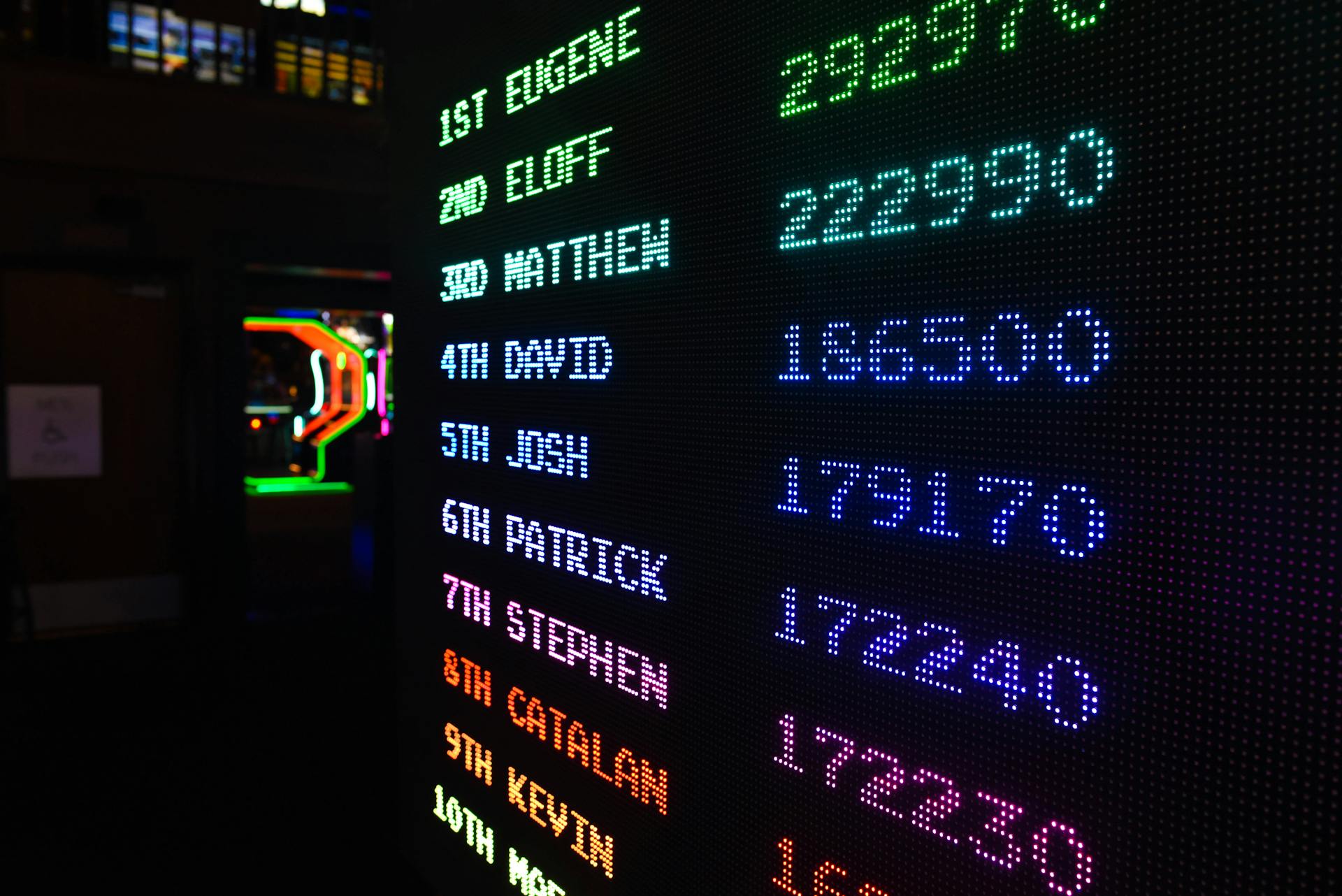
The promise to turn exercise into a game is just too enticing: earn badges, close the rings, climb the leaderboards, and turn dull exercise into interesting challenges. Fitness gamification motivation has exploded as apps like Apple Fitness, Fitbit, and Peloton turn movement into point-collecting adventures.
Studies paint a nuanced picture: gamification can be used to increase short-term activity, but its success is influenced by implementation and individual psychology. Can computerized rewards really maintain long-term gamified fitness psychology habits, or do they generate temporary motivation that disappears when the novelty of gamification sets in?
What Science Says About Points, Badges, and Behavior Change
Recent research on fitness gamification motivation in health and physical education produces different but promising results. Research findings report a positive impact of gamification in PE on student motivation regardless of how it is applied, with additional benefits such as increased autonomy and increased classroom engagement. Positive impacts of gamification for physical activity outcomes were disclosed in 8 of the 10 studies covered in a systematic review.
Key results from gamification research are:
- Gamification did not influence intrinsic motivation tracking that was not gamified, but still generated stronger behavioral outcomes
- Intrinsic motivations like self-improvement, self-regulation, and hedonic motivation maximize continuous app use intention significantly
- Other game design elements yield other motivational effects, rather than gamification having a broad scope
- Money and social status both have strong effects on motivation, but through distinct psychological mechanisms
The research suggests gamified fitness psychology is more active through behavior rather than through motivation. While the users are not necessarily more self-motivated, they are more engaged when gamification elements are present and demonstrate that structural externalities can facilitate behavior change even without emotional engagement.
Read More: The Best Fitness Apps of the Year: What to Download and Why
The Dark Side: When Games Become Obsessions
Educating oneself on fitness app addiction becomes necessary since the motivational energy of gamification can be turned into compulsive behavior. Exercise turned into a daily competition makes exercise less likely to be sustained and may lead to burnout, with users not being able to exercise without their tracking devices. Two distinct forms of passion for exercise have been identified by research: positive well-being effects of harmonious passion and obsessive passion as a predictor of life burnout.
The social component of fitness apps can enhance and undermine well-being depending on usage patterns. While harmonious passion develops through mutual positive value generated in fitness communities, obsessive passion develops through negative self-recognition seeking and external validation. This distinction is crucial to developing good relations with gamified fitness technology.
Signs of overuse of gamification include not being able to skip exercise even when injured, exercising solely to complete challenges and not for enjoyment, and experiencing distress when unable to track exercise. Some users note that fitness apps interfere with relationships, social activities, education, and work, and contribute to health issues from excessive exercising.
Read More: How to Build a Sustainable Home Workout Routine
Building a Balanced Approach to Digital Fitness Motivation
Fitness gamification is a powerful agent of behavioral change when used with care. The goal is not to bypass these technologies but to use them as stepping stones on the journey to sustainable, intrinsic exercise habits and not to be dependent on external feedback in order to progress.
Start by identifying which gamified elements truly keep you engaged and which ones are more anxiety-causing or stress-producing. Ready to take advantage of fitness gamification in a smart way? Choose one app feature that works for you, and attempt to turn others off for a week in order to gauge their real effect on your motivation.
Read More: 2025 Fitness Trends: What’s In, What’s Out, and What’s Actually Worth Trying