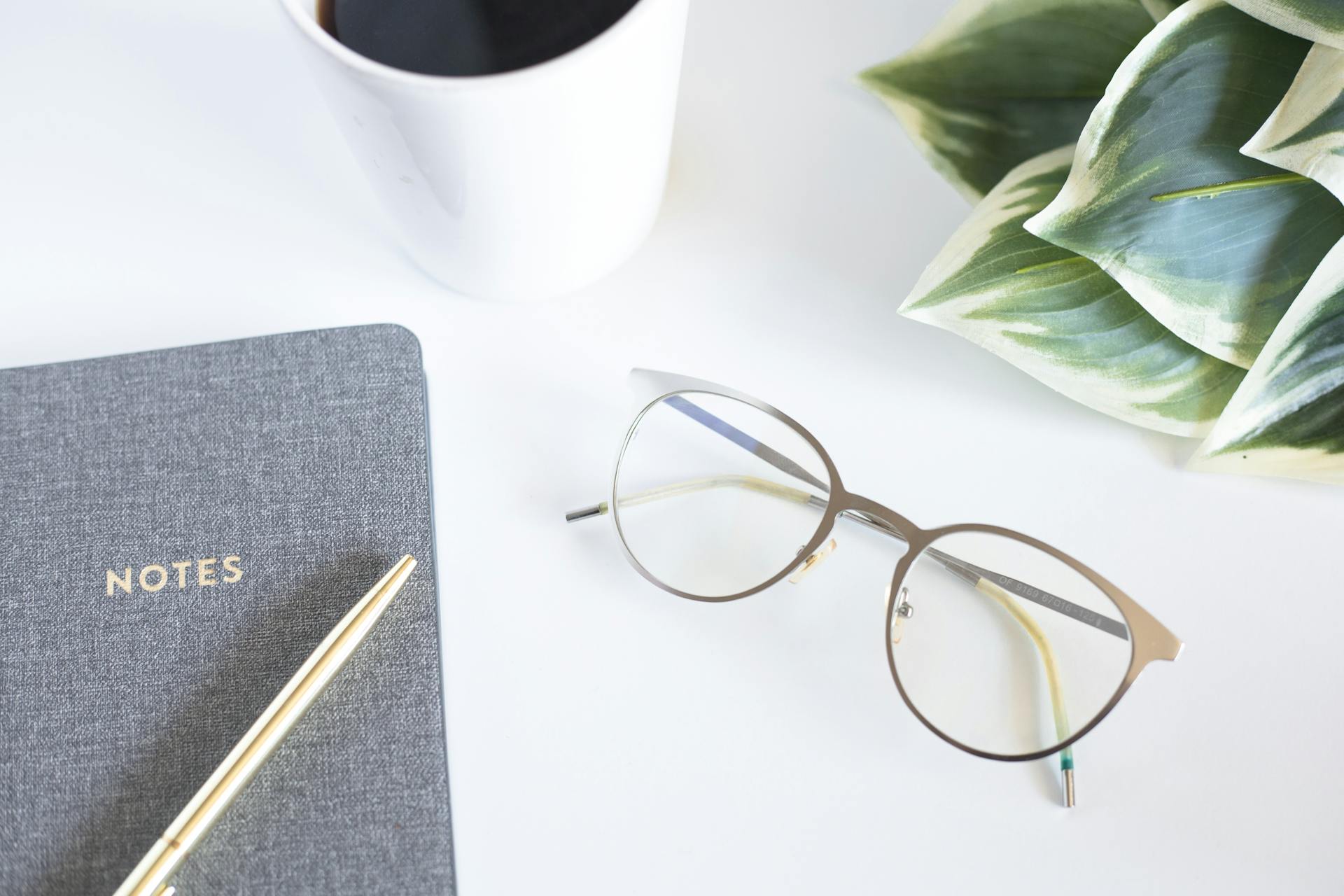
The blue light glasses effectiveness controversy has captured the attention of health communities as tens of millions of people look for relief from digital eye strain and sleep disturbance. Well-known eyewear companies market such lenses as tools for reducing eyestrain, headaches, and sleep disturbance caused by electronic devices.
With over seven hours of daily usage on digital devices, the temptation of protection is seductive. Yet recent research challenges much of the marketing spin, with questions raised over whether these trendy attachments provide real benefits.
What the Latest Research Actually Shows
A systematic review of 17 randomized controlled trials concluded that blue-light filtering spectacle lenses cannot reduce signs of eye strain with computer use during short-term follow-up in comparison to non-blue-light filtering lenses. The analysis revealed no short-term benefit to the use of blue-light-filtering spectacles in the prevention of vision fatigue compared to regular clear lenses.
Recent scientific evidence has been summarized in the following key findings:
- No significant improvement in vision performance or sleep quality is found with the use of blue-blocking lenses
- The amount of blue light from the devices used within the workplace, school, and home is less than that of sunlight
- Eyestrain has not been found to be linked with blue light exposure from computer screens
- A few participants had negative effects like increased symptoms of depression, headaches, and eye strain through the use of the glasses
The American Academy of Ophthalmology states there is no scientific evidence that the quality or quantity of light produced by computer screens is dangerous to the eyes and offers no recommendation for special computer glasses. This position is exactly the opposite of the claims of marketing that blue light from digital technology poses serious health risks.
Read More: The Link Between Oral Health and Chronic Disease: What Your Mouth Reveals
The Sleep Connection: Cutting Through the Marketing Hype
Whereas blue light glasses research reports variable results for eye strain, the sleep connection has more complicated results. Blue light exposure during the day is actually positive, as it aligns the body’s circadian rhythm and keeps people awake and alert. Stimulation of certain blue light wavelengths later in the night, however, disturbs sleep.
Some studies state that blue-blocking glasses worn in the evening can help with sleep disorders. A systematic review found that due to a well-documented biological mechanism and clinical evidence, blue-blocking glasses have a sleep-inducing effect and are an accessible intervention for patients who suffer from insomnia or delayed sleep phase. The benefits have, however, been shown to be limited to use in the evening only, not all day as suggested by most products available.
When and how much blue light you’re exposed to matters more than simply blocking it. Using amber glasses in the evening, specifically blocking sleep-disrupting wavelengths, is more promising than transparent “blue light” lenses worn during the day.
Read More: How to Create a Daily Ritual That Grounds You (Without Overwhelming You)
Making Evidence-Based Decisions About Blue Light Protection
Current blue light glasses research suggests that these products may not give the large-scale benefits their advertising campaigns have individuals believing. While they’re safe to use, they won’t heal digital eye strain, prevent eye damage, or significantly improve sleep if used during the day.
Opt for proven techniques like proper placement of the screen, regular breaks, and good sleep practice over relying on filtering lenses to curb discomfort from screens. Ready to address digital eye strain in the right way? Start with the 20-20-20 rule and proper screen ergonomics before spending money on experimental blue light solutions.
Read More: Cold Exposure Craze: Are Ice Baths Actually Worth the Hype?