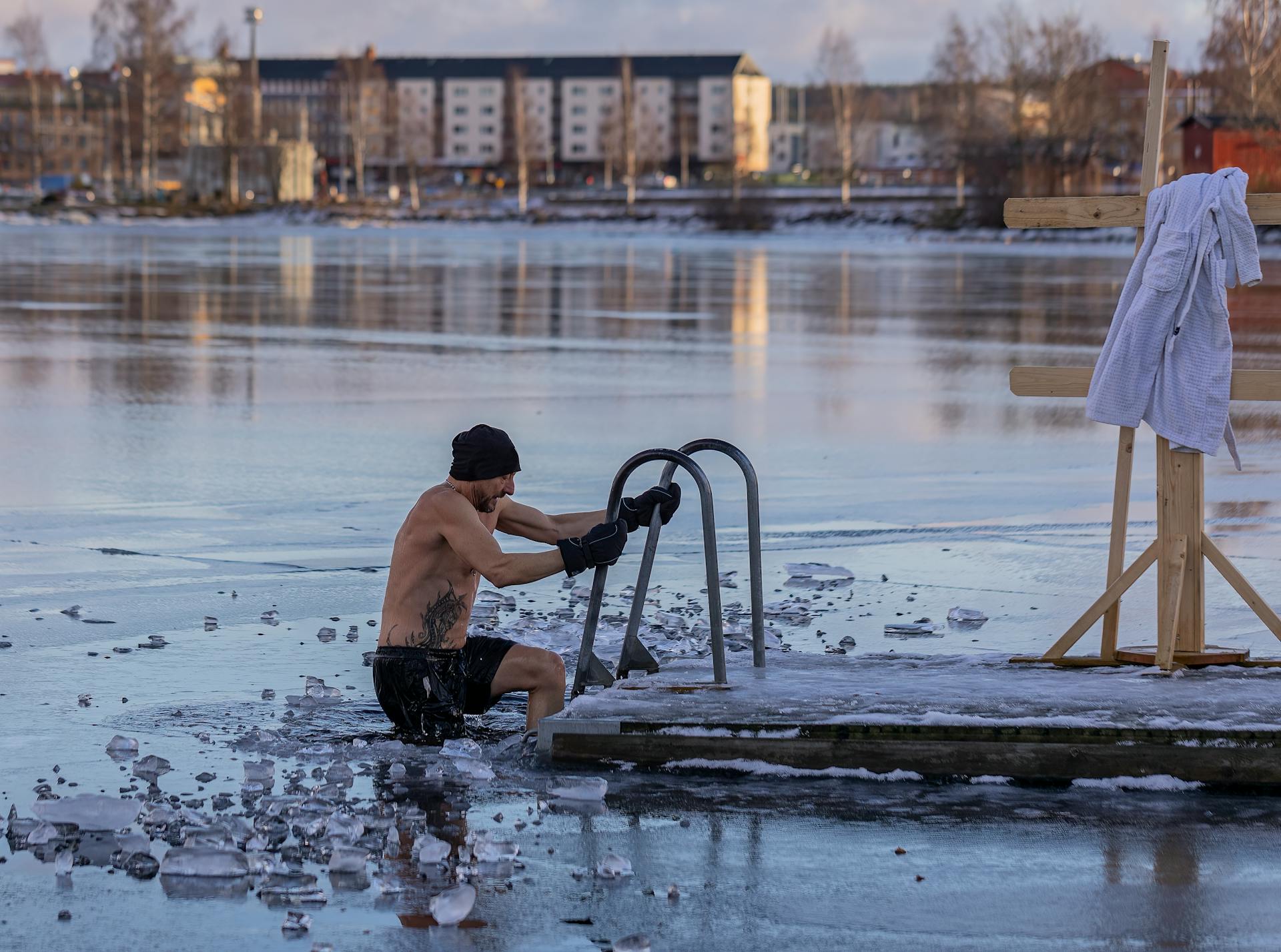
From professional athletes to health bloggers, it appears that everyone is jumping into cold water these days. You might have seen your close friend do it and have probably tried it yourself.
Ice baths are all over social media, promising everything from improved recovery to mental toughness. But beyond the flashy videos and personal accounts, do you know the risk and reward of cold exposure therapy? You’re about to in the next two minutes.
How It Works
When you take an ice bath, your body goes into cold shock, releases stress hormones like norepinephrine, and activates the sympathetic nervous system. This process causes the blood vessels to become smaller, perhaps reducing inflammation and tissue metabolic function.
Research published in the Journal of Applied Physiology study indicates that cold water immersion at 50-59°F for 10-15 minutes can significantly reduce markers of inflammation like C-reactive protein. The study followed six weeks of athletes and measured detectable reductions in muscle damage and soreness after exercise.
However, the inflammation response isn’t always beneficial. Some studies suggest that completely blocking inflammation might interfere with the natural adaptation process that makes muscles stronger and more resilient over time.
Read More: Why You Wake Up Tired (Even After 8 Hours of Sleep)
Mental Resilience and Mood Benefits
The mental benefits of ice baths are more persuasive, perhaps, than the physical. Cold stress induces the release of dopamine and norepinephrine, neurotransmitters involved with mood regulation and stress tolerance.
Dr. Rhonda Patrick’s study indicates that cold exposure was able to increase dopamine by as much as 250% for hours following immersion. Chronic cold exposure appears to enable people to adapt to stress and, possibly, improve mental resilience in other areas of life.
A 2018 Medical Hypotheses study suggests that cold exposure might even treat depression symptoms, though more clinical trials need to verify fixed therapeutic regimes.
Read More: Sound Baths, Breathwork, and the New Wave of Somatic Healing
Recovery: The Mixed Evidence
In athletic recovery, the situation is more complex. Ice baths may decrease perceived soreness and accelerate the sense of recovery, but they may actually interfere with some adaptations to training.
A landmark study in the Journal of Physiology concluded that ice baths after exercise suppressed the molecular signaling for muscle protein synthesis and mitochondrial adaptations. This indicates that although you may feel improved in the short term, there could be impairment to long-term training gains.
The timing matters significantly. Ice baths appear most beneficial for recovery between competitions or in times of high-volume training, rather than after sessions focused on strength or muscle building.
Real Risks to Consider
Cold exposure is not without danger. Hypothermia, cardiac arrhythmia, and cold shock response have the potential to be fatal, especially for those with cardiovascular issues or the uninitiated with cold exposure.
Starting slowly is the key. Start with cold showers, and then work up to short ice baths (2-3 minutes) at lower temperatures (60-65°F) before trying more extreme protocols.
Putting It all Together
Ice baths are beneficial, especially in terms of mental toughness and acute inflammation suppression. They’re not a magic bullet for overall wellness, though, and the publicity tends to outstrip the science.
For the average person, cold exposure will be most useful as one component of a comprehensive regimen of wellness, and not a wholesale replacement for healthy sleeping, eating, and recovery practices. If you do wish to try ice baths, gradually introduce them and listen to your body’s response.
Ready to test whether cold therapy is for you? Talk to a medical doctor before you begin any radical temperature regimes, especially if you have underlying health conditions.
Read More: How to Actually Breathe Better: Techniques to Support Stress, Sleep, and Stamina